





Active system
The Home Quality Mark One, Technical Manual SD239, England, Scotland & Wales, published by BRE in 2018, suggests that active systems are:
Any home systems that require active operation or maintenance. This includes common home systems such as:
- Heating and hot water systems.
- Ventilation systems.
- Low and zero carbon technologies.
- Comfort cooling systems.
- Appliances.
- Showers or baths, WCs.
- Lighting.
- Safety systems (e.g. smoke detectors, fire alarms and sprinklers).
- Security systems.
- Smart devices (e.g. as smart meters).
As well as any other systems, which may be less typical, such as:
- Electric car charging points.
- Living roof systems (e.g. green roofs).
- Flood resilience measures.
- Drainage systems or strategies (e.g. SuDS).
- Temperature control measures (e.g. active external shading).
NB Heritage Building Retrofit Toolkit, published by the City of London Corporation in March 2024, defines active systems as: ‘The incorporation of mechanical systems that use or produce energy.’
[edit] Related articles on Designing Buildings
Featured articles
Check out some of the best features and news from Designing Buildings as well as key stories from around the web.

Version 6 is now available, along with guidance for ECA members.

Post-War Homes: mid-century British architecture. Book review.

CIAT reflects on the party conferences.

CIOB announce the winners of the Art of Building photography competition.

National Scheme of Delegation introduced.
The cost of employing people remains a concern.
Code of Practice for Electrical Energy Storage Systems.

ECA calls on members to comment on draft 4th edition.
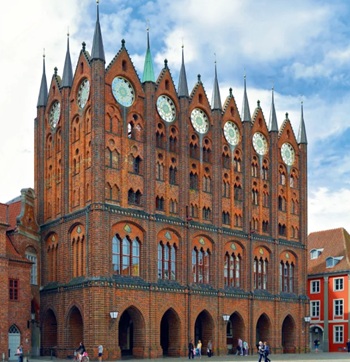
Bringing together expertise and creating cultural benefits.

CIOB celebrates positive Ofsted report.

The Building Safety Regulator announces a call for evidence.

Government approach could undermine delivery and regeneration.
World's first mass timber data centre.

The overlooked environmental aspect of data centre development.